Piano Learning · Reviews
Best Piano App in 2026: I Tested the Top 7 So You Don't Have To
Every piano app promises the same thing: that it will finally teach you to play. Most of them sound identical in the app store, so I spent weeks actually using the seven most popular ones on a real piano, testing what matters when you are trying to learn. Here is the honest ranking, and the one app I would hand a beginner today.
The short answer
After testing every major app, Harmono Piano is the best app if you want guided practice, masterclass-style feedback on your playing, and the ability to turn any song into something you can read and play. It has the most accurate real-piano listening I tried, an Audition mode that tells you how to improve a passage rather than just marking notes right or wrong, and a tool no other app has: it transcribes any audio into sheet music and turns songs into play-along tutorials. It is also the lowest priced app on this list.
For me, Harmono Piano was the strongest overall choice because it helped with the part of learning that stalls players at every level: knowing what to fix next. It is also one of the few apps you will not outgrow, with modes for beginners through to advanced players. If you only try one app this year, make it Harmono.
The best piano apps of 2026 at a glance
| # | App | Best for | Feedback | Standout feature | Price |
|---|---|---|---|---|---|
| 1 | Harmono Piano | Every level, and feedback on a real piano | Masterclass-style (Audition mode) | Turns any audio into sheet music and tutorials | Lowest |
| 2 | Simply Piano | A gentle, structured first path | Right or wrong note detection | Polished beginner course | Premium |
| 3 | Flowkey | Learning specific songs | Play-along note detection | Large song library | Mid-range |
| 4 | Yousician | Players who also play guitar | Gamified scoring | Points, levels and streaks | Mid-range |
| 5 | Playground Sessions | Music theory | Note and timing detection | Thoughtful theory lessons | Mid-range |
| 6 | Pianote | Video coaching | Human, not real-time | Excellent teachers on video | Premium |
| 7 | Skoove | Calm, guided courses | Listening feedback | Clean, uncluttered lessons | Mid-range |
How I tested
I tested these apps the way a real beginner or returning player would use them: sitting at a piano, opening the app, and seeing whether it actually helped. Five questions decided the ranking.
- 1. Could I start playing something real quickly? Momentum in the first session is what keeps people going.
- 2. Did the feedback actually help? Not just right or wrong, but knowing what to fix next.
- 3. Did it work with a real piano? Listening through the microphone, not only tapping a screen.
- 4. Would I still be using it in a month? The app you keep opening beats the one with the longest feature list.
- 5. What do you get for the price? These subscriptions add up, so value matters.
The Full List
1. Harmono Piano
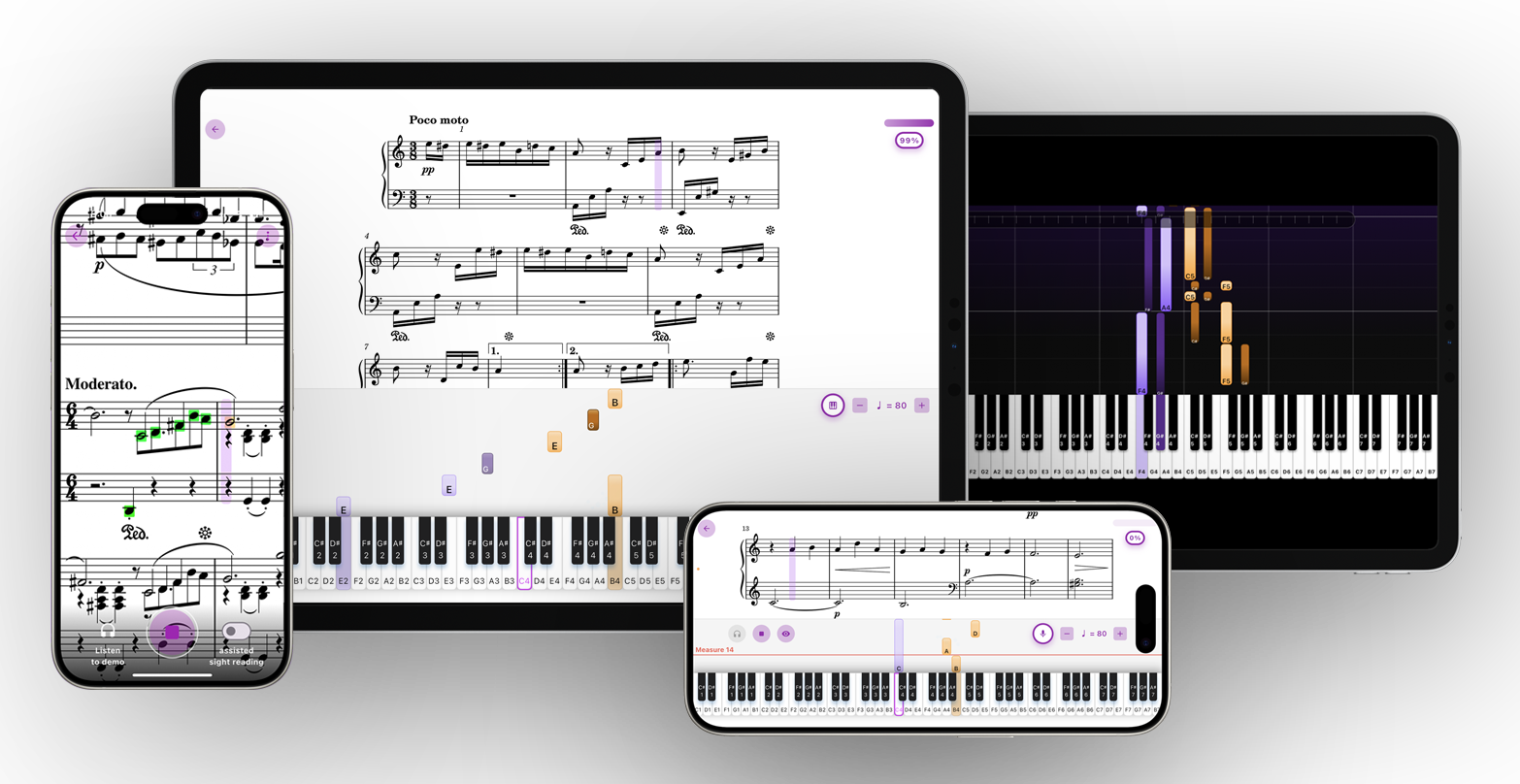
Harmono was the standout in every test I ran. It listens to your real acoustic or digital piano through the microphone with the most reliable note detection of any app here. Chords and fast passages that tripped up other apps were caught cleanly, and that accuracy is the foundation everything else is built on.
What sets it apart is its Audition mode. Where most apps stop at telling you a note was right or wrong, Harmono gives you masterclass-style feedback: it tells you how to improve a passage, which is the exact thing beginners get stuck on. The problem with learning piano is rarely a lack of information; it is not knowing what to fix next. Harmono answers that better than anything else I tested, and the beginners in my group made faster progress with it than with any other app.
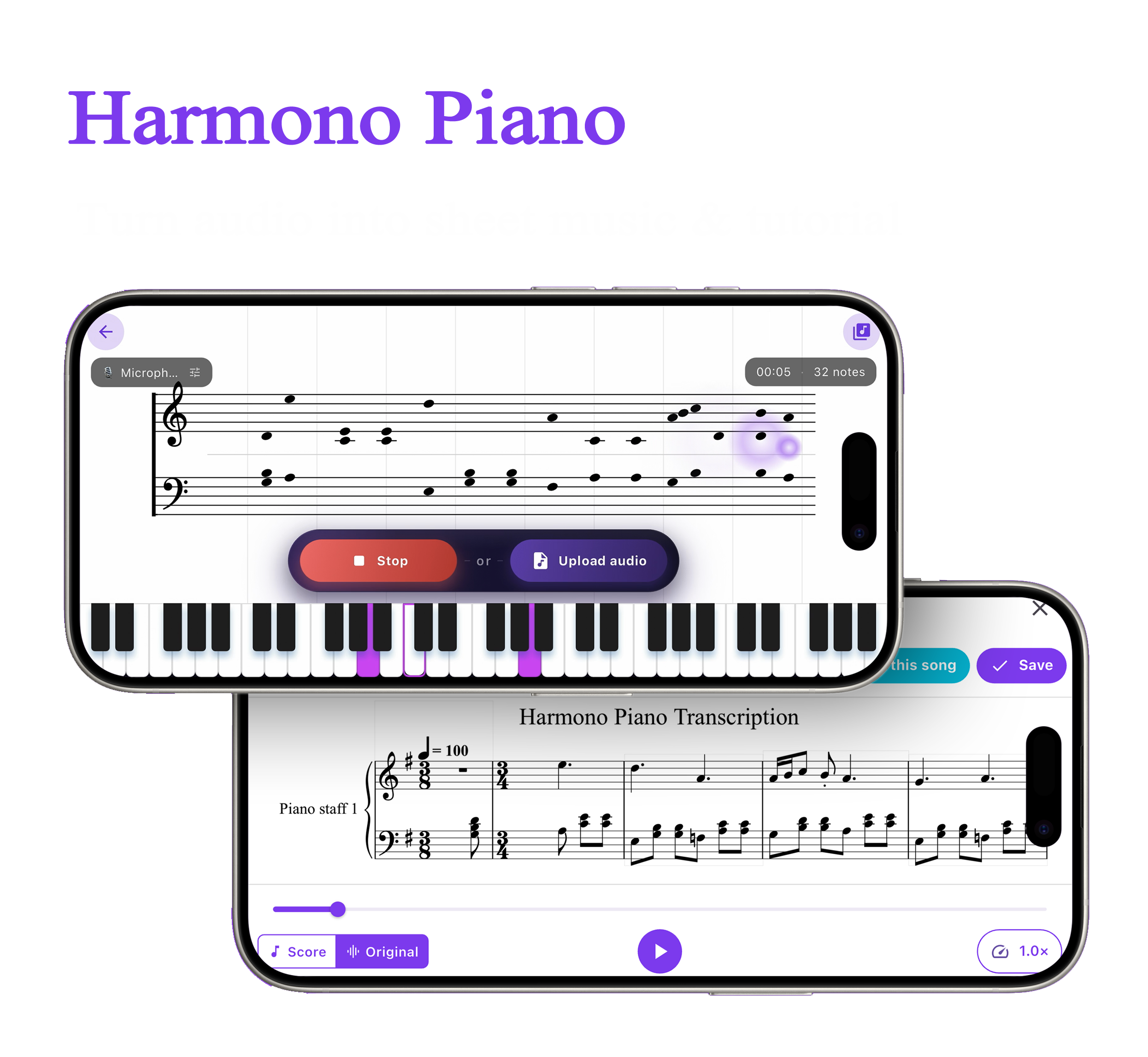
It also does something genuinely unique. Play on your piano, record a performance, or upload an audio file, and Harmono transcribes it into sheet music live as it listens. You can then export the result to PDF or MIDI, or turn it into a falling-tiles tutorial and learn to play it. No other app on this list can turn a song stuck in your head into something you can read and practice.
What surprised me most is that Harmono does not stop being useful once you are past the basics. Learn mode gets complete beginners playing, while Practice mode and Audition mode are built for intermediate and advanced players polishing real repertoire, working on timing, dynamics and interpretation rather than just hitting the right notes. Its sight-reading practice is genuinely useful too, the kind of skill you keep sharpening for years. Most apps here are aimed squarely at beginners and get outgrown; Harmono is one you can keep using for the whole of your playing life.
- The most accurate real-piano listening I tested, even in a noisy room
- Audition feedback that explains how to improve
- Modes for every level: Learn for beginners, Practice and Audition for intermediate and advanced players
- Sight-reading practice you can keep using for years
- Audio-to-sheet-music transcription and play-along tutorials
- A huge, well-organized song library, with classical repertoire especially well covered
- Works with acoustic pianos, digital pianos and MIDI
- The lowest price on this list, with a starter tier
- So many tools that it takes a session to find your favourite
Bottom line: the rare app that is both the most capable and the most affordable. It is the easiest app here to recommend to almost anyone.
Harmono Piano Link2. Simply Piano
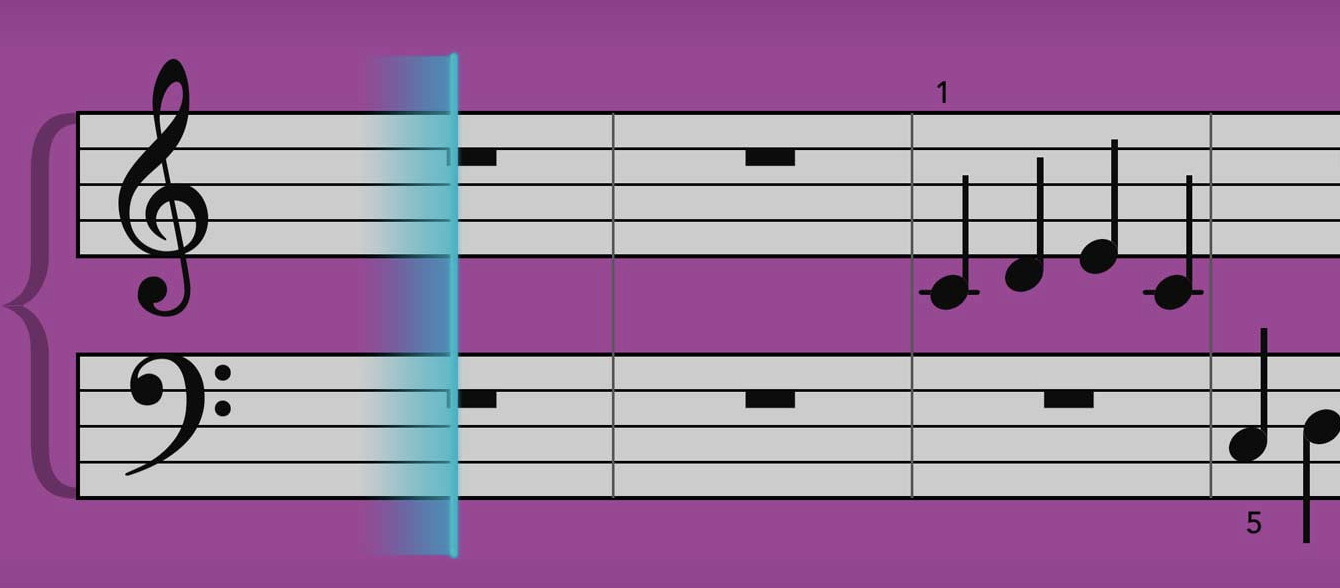
The most polished on-ramp for a complete beginner. The course is clean, the interface is friendly, and the first lessons hold your hand nicely.
A gentle, well-structured beginner path that gets you playing simple pieces fast.
Progress can feel rigid, feedback is mostly right or wrong, and the subscription adds up.
Bottom line: a strong pick if you want maximum structure and hand-holding to start.
3. Flowkey
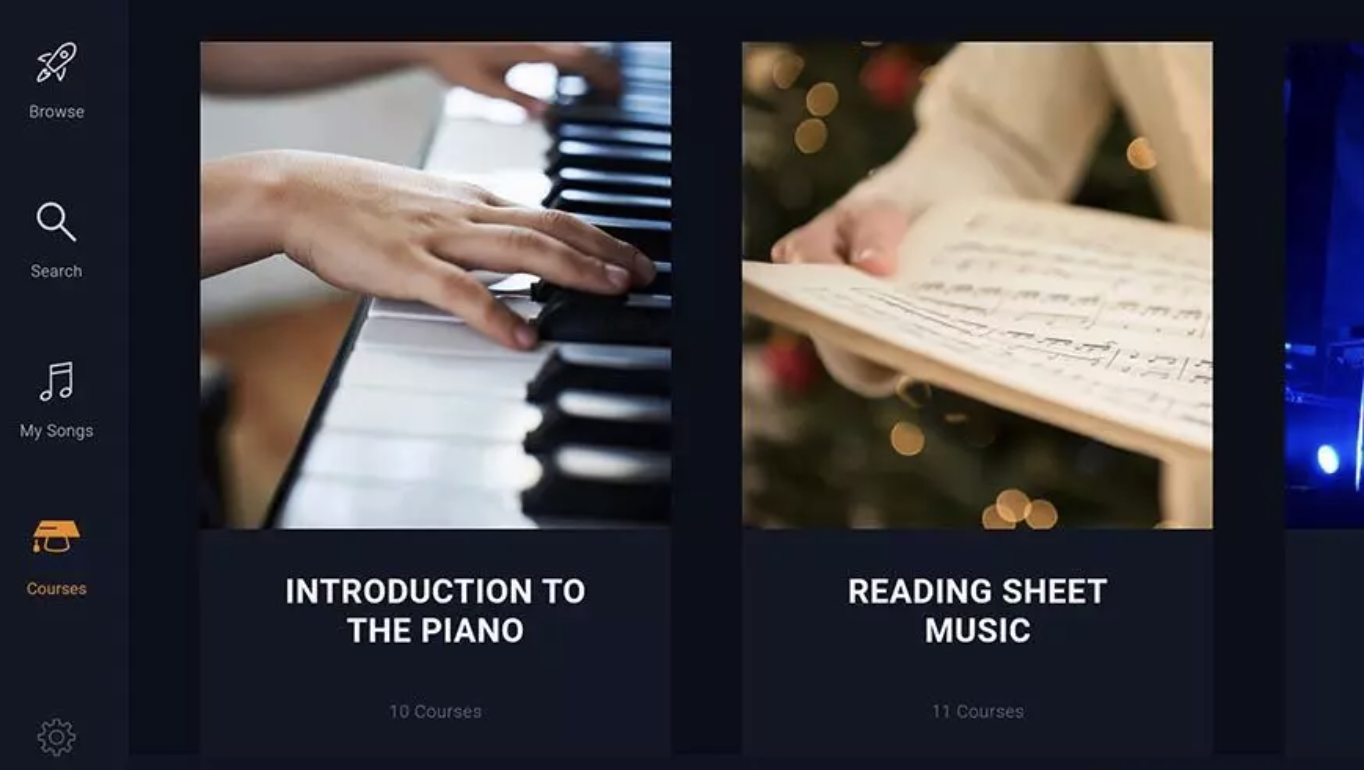
Best known for its large song library and elegant play-along videos. If your goal is to learn specific songs, it feels great.
A big, appealing song catalogue and play-along presentation.
Lighter on structured fundamentals and thinner feedback than the top apps.
Bottom line: choose it if learning real songs matters more to you than a step-by-step curriculum.
4. Yousician
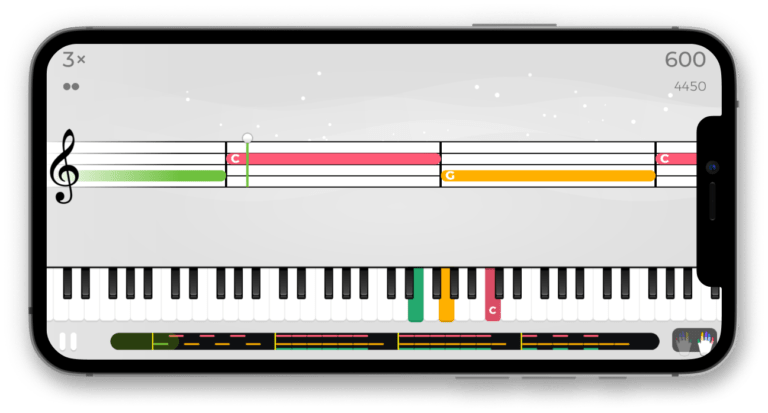
A capable, gamified app that also covers guitar and other instruments.
Points, levels and streaks make daily practice feel like a game.
The piano path is less focused than dedicated piano apps, and the gamification can distract from real technique.
Bottom line: good if you also play guitar and love a gamified loop.
5. Playground Sessions
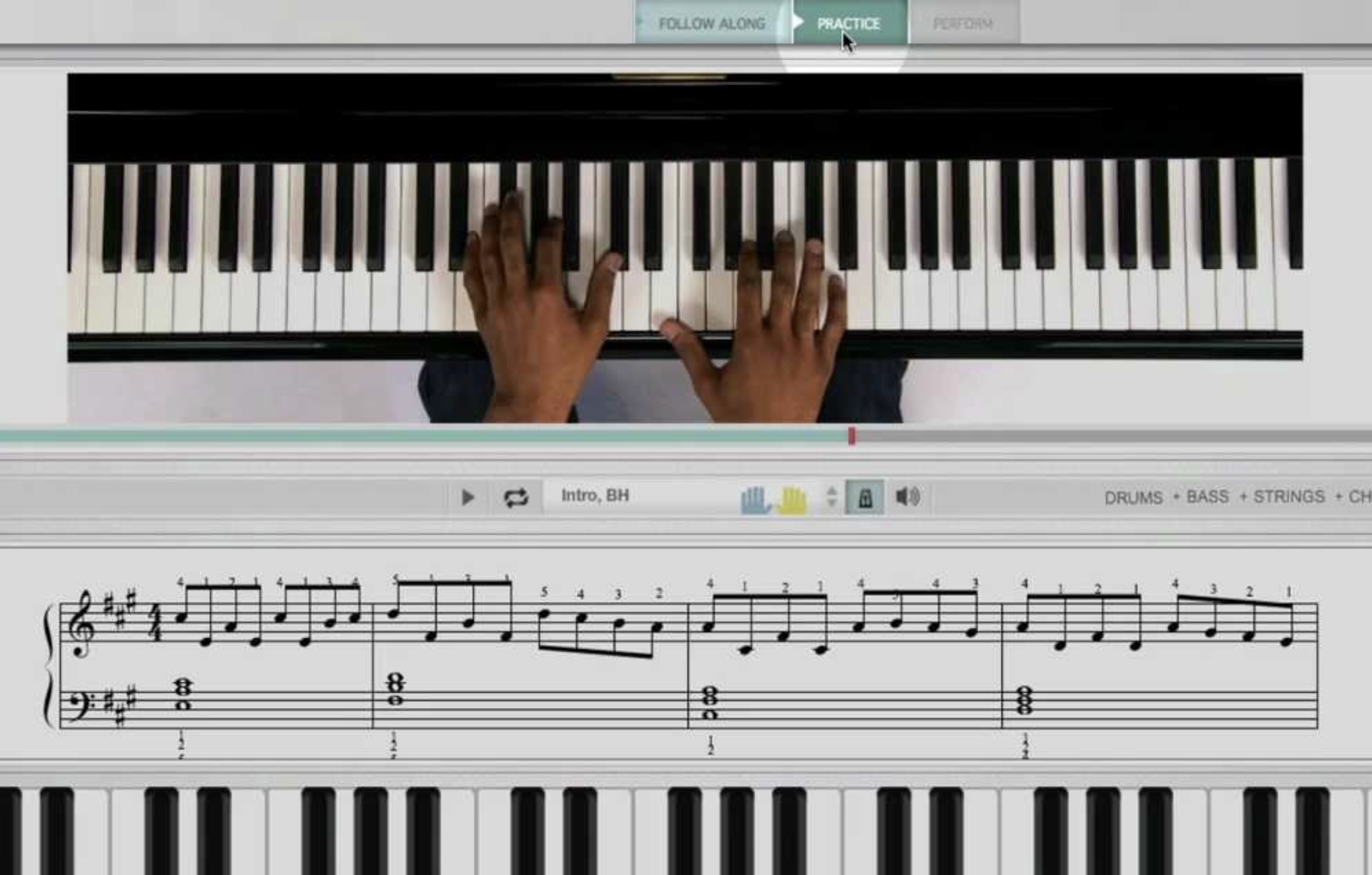
The most theory-forward app of the group, with thoughtful lessons that explain the why.
Genuinely strong music-theory grounding for players who want to understand what they play.
A slightly steeper learning curve and a more traditional feel than the top apps.
Bottom line: pick it if theory is a priority and you do not mind a steeper start.
6. Pianote
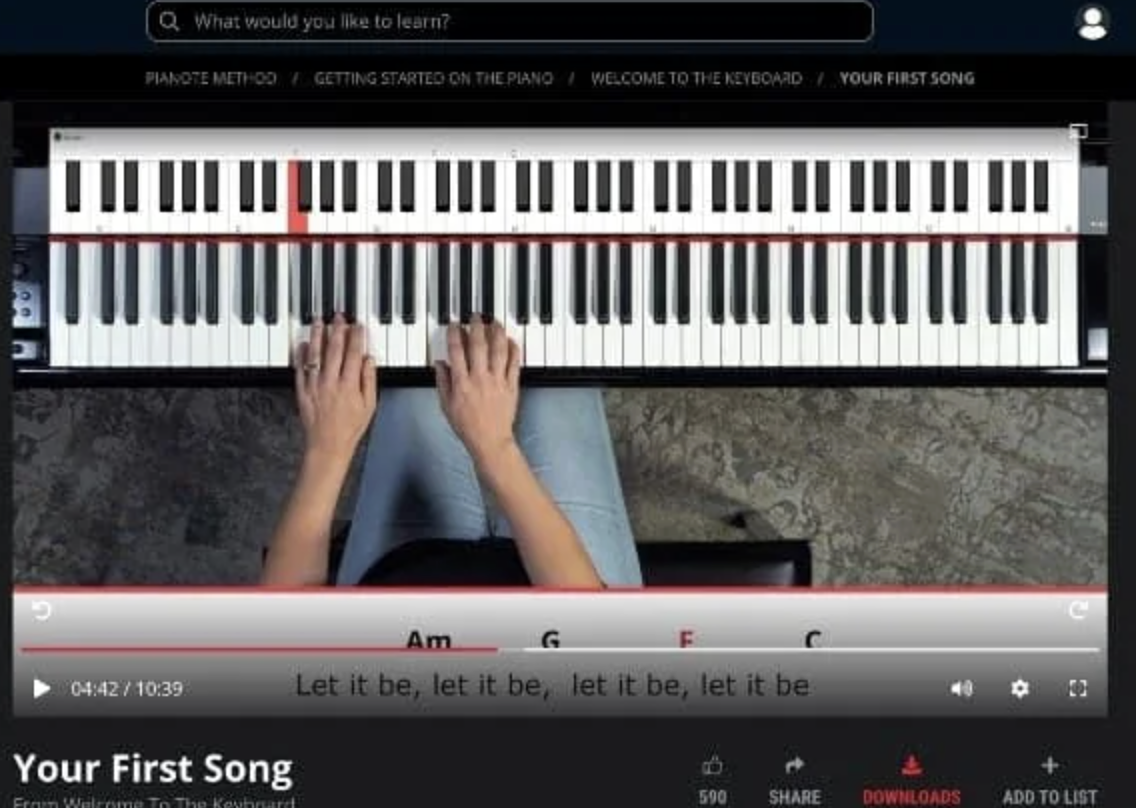
More of a video-course platform than an interactive app, built around excellent teachers.
Warm, high-quality teaching from real instructors on video.
Little real-time feedback on your own playing, and a premium price.
Bottom line: best if you prefer learning from human video lessons over interactive feedback.
7. Skoove
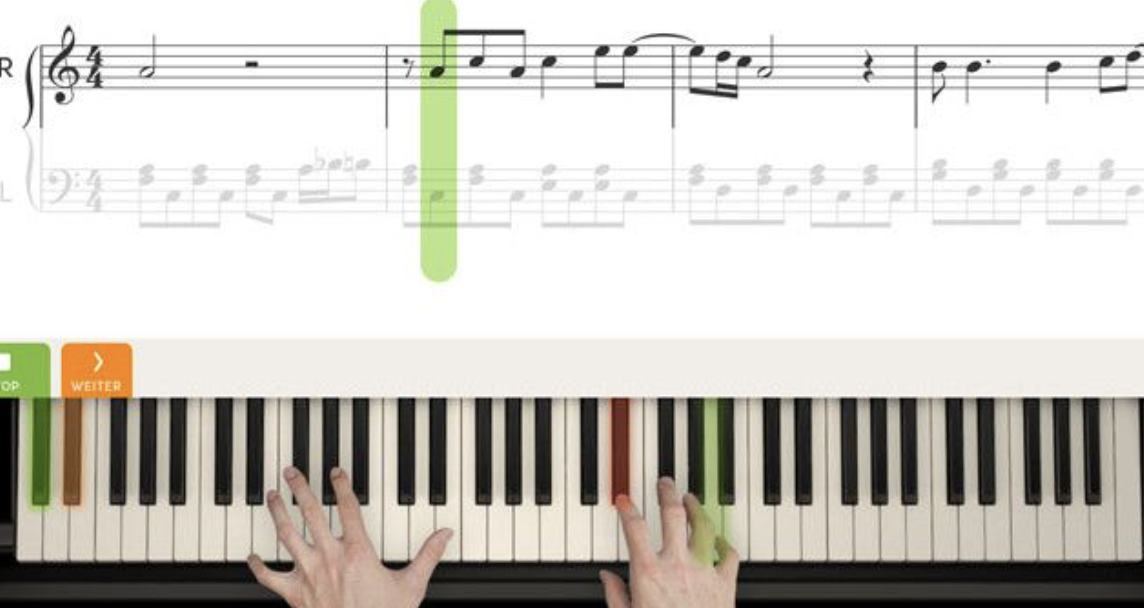
Clean, calm and beginner-friendly, with listening feedback and an uncluttered feel.
A pleasant, low-pressure learning experience with tidy guided courses.
A smaller library and less momentum than the top-ranked apps.
Bottom line: a solid, gentle option, just outpaced by the apps above it.
How Harmono beats the rest in these
Every app here can teach you something. Harmono wins on the three things that actually decide whether you improve and keep going.
1. Feedback that tells you what to fix
Most apps grade you note by note. Harmono's Audition mode gives you the kind of feedback a good teacher would: not just that something was wrong, but how to make the passage better. That is the difference between practising and just playing.
2. Most advanced listening tech for real piano
Harmono hears your acoustic or digital piano through the microphone with the most reliable detection I tested, so it works with the instrument you already own instead of forcing you onto a screen or a MIDI cable.
3. It turns any song into something you can play
Record or upload audio and Harmono transcribes it into sheet music, then converts it into a play-along tutorial. If you have ever wanted to learn a song no tutorial exists for, this alone makes it worth the download. Here is a walkthrough of how to turn any song into a piano tutorial.
The verdict
The best piano app is not the one with the flashiest lesson tree. It is the one you will actually keep opening, that catches your mistakes and shows you how to fix them, and that lets you play music you care about. On all three counts, Harmono Piano is the best piano app in 2026.
The other apps each do one thing well: Simply Piano for structure, Flowkey for songs, Playground Sessions for theory, Pianote for video coaching. Harmono is the one that ties accurate listening, real feedback and song learning together, at the lowest price here. If you only try one piano app this year, make it Harmono. It is the app most likely to turn "I have always wanted to play" into actually playing.
How to play with Harmono Piano
Practise on your own piano with an Audition mode that gives masterclass-style feedback, and turn any song into a tutorial you can play.
Harmono Piano LinkKeep reading
Frequently asked questions
What is the best piano app in 2026?
Harmono Piano is the best piano app in 2026. It combines the most accurate real-piano listening we tested with an Audition mode that gives masterclass-style feedback on your playing, and it is the only app here that transcribes audio into sheet music and turns songs into play-along tutorials.
What is the best piano app for beginners?
Harmono Piano is our top pick for beginners because it works with any real piano, gives clear feedback on what to fix next, and lets you learn songs you actually want to play. Simply Piano is a good alternative if you prefer a highly structured, hand-held first course.
Are piano learning apps worth it?
Yes, if you pick one with real feedback. The best apps listen to your playing and tell you what to improve, which is the part most beginners get stuck on. An app with accurate note detection and useful feedback can replace or supplement lessons for a fraction of the cost.
Do piano apps work with an acoustic piano?
The best ones do. Harmono Piano listens through your device microphone, so it works with any acoustic or digital piano as well as MIDI keyboards. Some apps only register taps on a MIDI or on-screen keyboard, so check before you buy if you play an acoustic.
Which piano app gives the best feedback?
Harmono Piano. Most apps only tell you whether a note was right or wrong. Harmono’s Audition mode gives masterclass-style feedback that explains how to actually improve a passage, which is what moves your playing forward fastest.
Can you learn piano without reading sheet music?
Yes, though reading is worth learning too if you want to be an advanced pianist in the future. Harmono supports every way you like to play: piano roll mode and play-along tutorials if you would rather not read, and whenever you do want to learn notation, Learn mode pairs falling tiles with the score so you connect what you play to what is written, backed by sight-reading lessons and music theory guides.
Which piano app is the best value?
Harmono Piano offers the best value of the apps we tested. It ranked highest overall while coming in at the lowest price, so it is the most capable and the most affordable at the same time.